EKO-KARPATY – Polish manufacturer of nonwoven fabrics and filters

Quick contact to an advisor:

+ 48 508 153 562

EKO-KARPATY

The history of the plant in Głogów Małopolskim

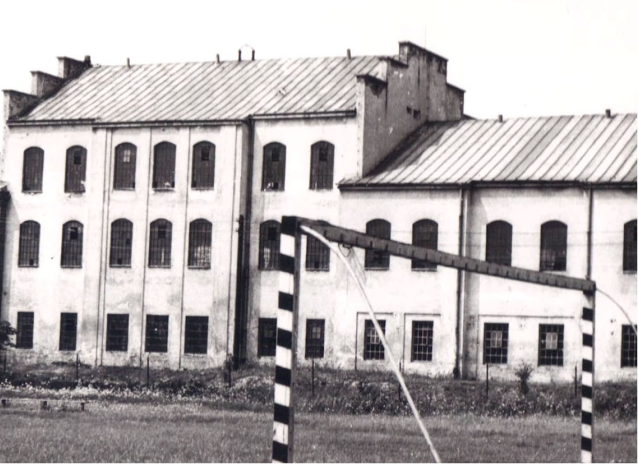
The beginnings of the plant in Głogów Małopolski date back to 1917, when the Flax and Hemp Spinning Mill was established. In the 1970s, the company changed its name to Technitex – Plant of Technical Textile Products.

In 2000, the plant was privatized and currently operates within the Podkarpackie Centrum Produkcyjno-Wdrożeniowe “EKO-KARPATY” Group. The company has maintained traditional production of yarns and technical fabrics, and the plant’s production profile is systematically expanded with new products. The most important of them are automotive filters launched in 2008 under its own brand BJP FILTER, filters for industrial vacuum cleaners, thermobond (fluffy) nonwovens and nonwovens and filters with activated carbon. In 2018, the production of pleated filters for home ventilation and air conditioning HVAC units began. In 2021, it was expanded to include pocket filters for industrial ventilation and air conditioning HVAC units.

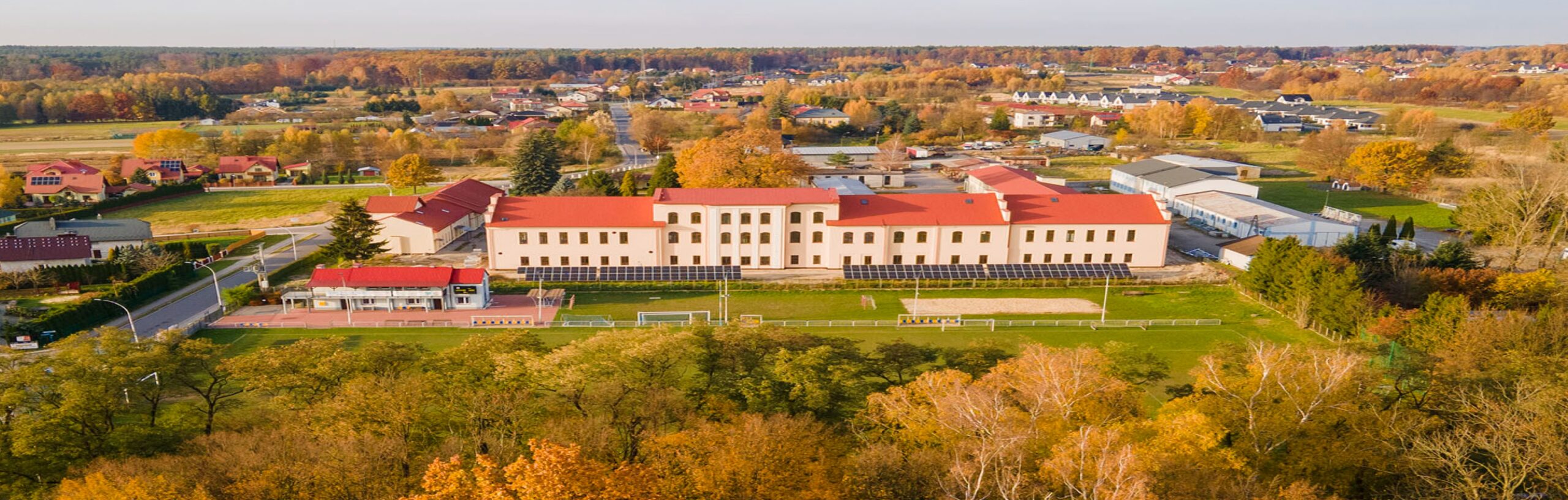
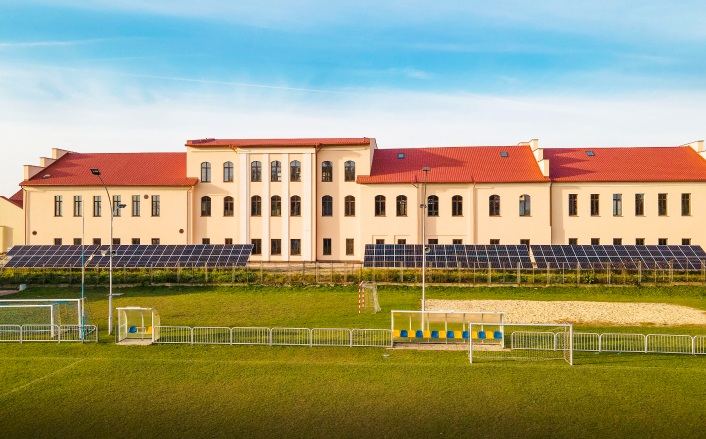
The facility where EKO-KARPATY is currently located has a long history. It is the former palace of the Lubomirski princes, built in the 1720s by Jan Kazimierz Lubomirski, who was one of the sons of Hieronim Augustyn Lubomirski, the Grand Crown Hetman.

On the cadastral plan from 1849, the palace had a quadrilateral shape with a courtyard in the middle. The southern wing had a representative character, and the remaining parts served as annexes. There was a square swimming pool in the courtyard, while a landscape park, transformed from the 18th-century palace garden, stretched out to the south.
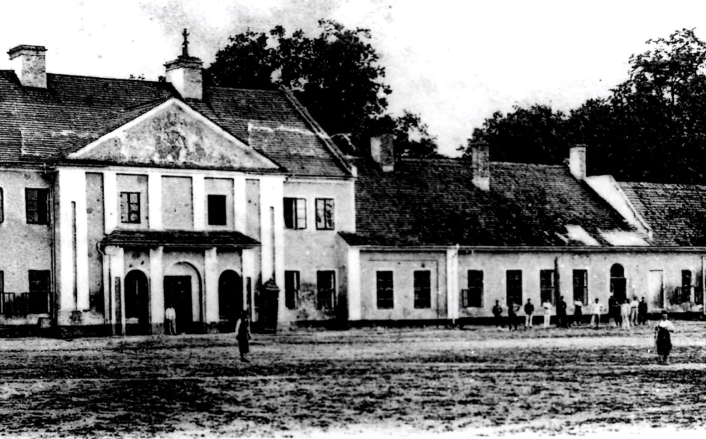
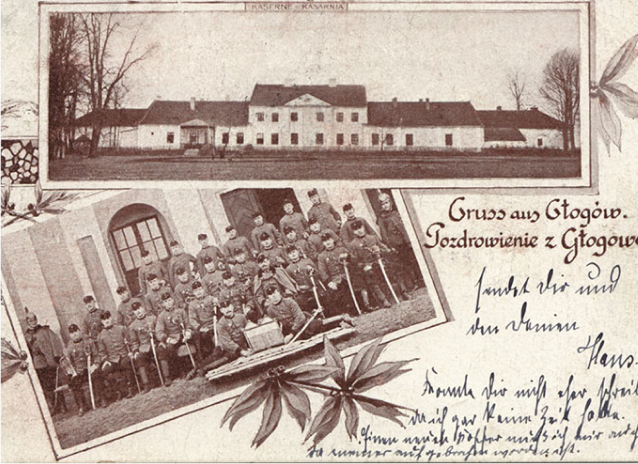
Throughout the 19th century, the palace served as barracks for the Imperial Austrian Army. In 1910, Franciszek Weiss, an engineer who had studied in Ireland, rented the buildings from the then owner Adam Jędrzejowicz, with the intention of establishing his own textile factory. He chose Głogów because the city had traditions of growing flax and hemp, so he was guaranteed to find the right staff locally.

The factory’s development was stopped after the outbreak of World War I.

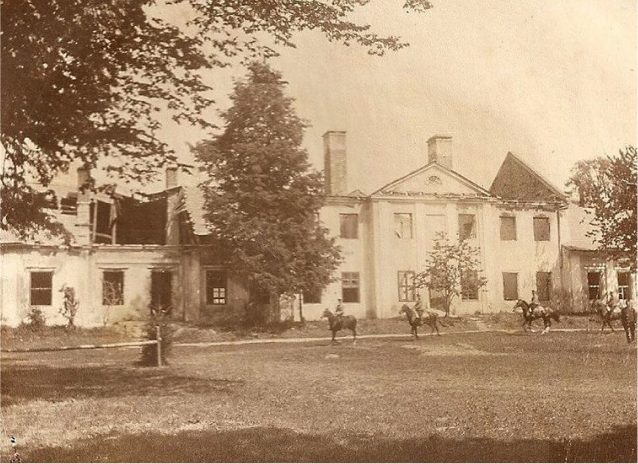
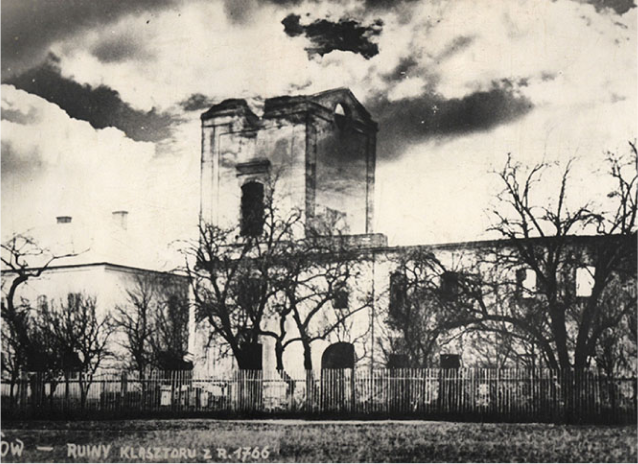
In 1914, the buildings were burned by the Russians. It was only in 1917 that Weiss could start rebuilding them. He established a company, which included Jan Jędrzejowicz, Adam’s son, Count Alfred Potocki from Łańcut, Stanisław Dąmbski from Rudna and Władysław Łańcucki, parish priest from Wysoka. After World War II, the factory was nationalized, becoming state property.

From 1951, the factory operated under the name Głogowskie Zakłady Lniarskie Przemysłu Terenowego “Lnianka”, and from 1959 it was subordinated to the Provincial Association of State Enterprises of the Territorial Industry in Rzeszów. In 1973, the factory was transformed into Zakład Technicznych Wyrobów Włókienniczych “Technitex”. In 2000, the factory was privatized and currently operates within the Podkarpackie Centrum Produkcyjno-Wdrożeniowe “EKO-KARPATY” dr inż. Jan Pąprowicz.

GALLERY

Archival photos of the factory in Głogow Małopolski

The palace of the Lubomirski princes in Głogów Małopolski, currently the seat of the EKO-KARPATY company

The film “The Palace of the Lubomirski Princes” is the first in the “Głogów Historical Path” series.

The series will present various interesting places in our municipality. The first episode focuses on the oldest brick building in the municipality of Głogów Małopolski, which is the former Lubomirski Palace. It was built in 1725-1727 as the seat of the Głogów branch of this princely family. It served as a residence until the end of the 18th century. Later, after the death of the Głogów princes, the palace was given over to the use of the Austrian army. A cavalry squadron of the Imperial Austrian Army was stationed there. Due to changing fate, at the beginning of the 20th century, a textile factory was located there, changing its character from residential to industrial. It serves this function to this day, but it is worth remembering the rich past of this facility. The film presents it in an interesting way.

source: Municipal Public Library in Głogów Małopolski

"EKO-KARPATY" Group

Are you interested in cooperation?

Write what product you need!

Ask for offer